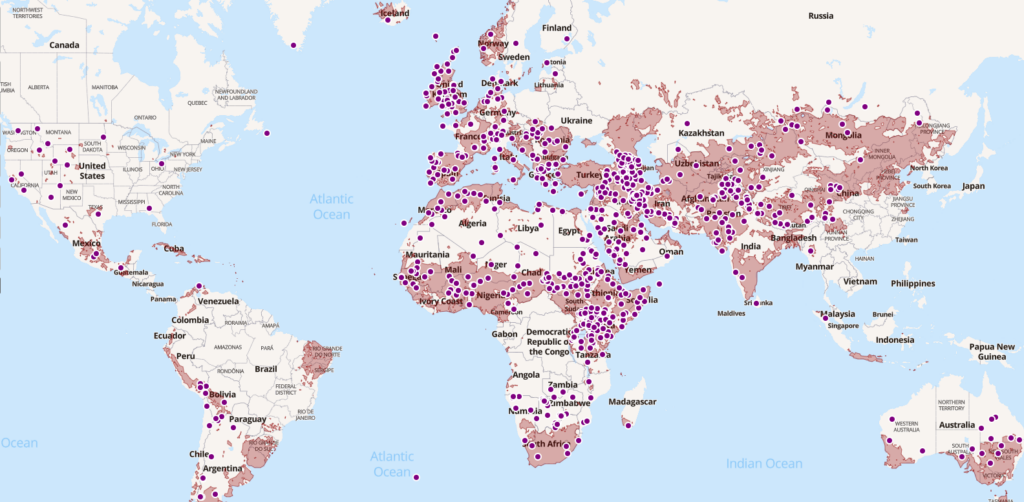
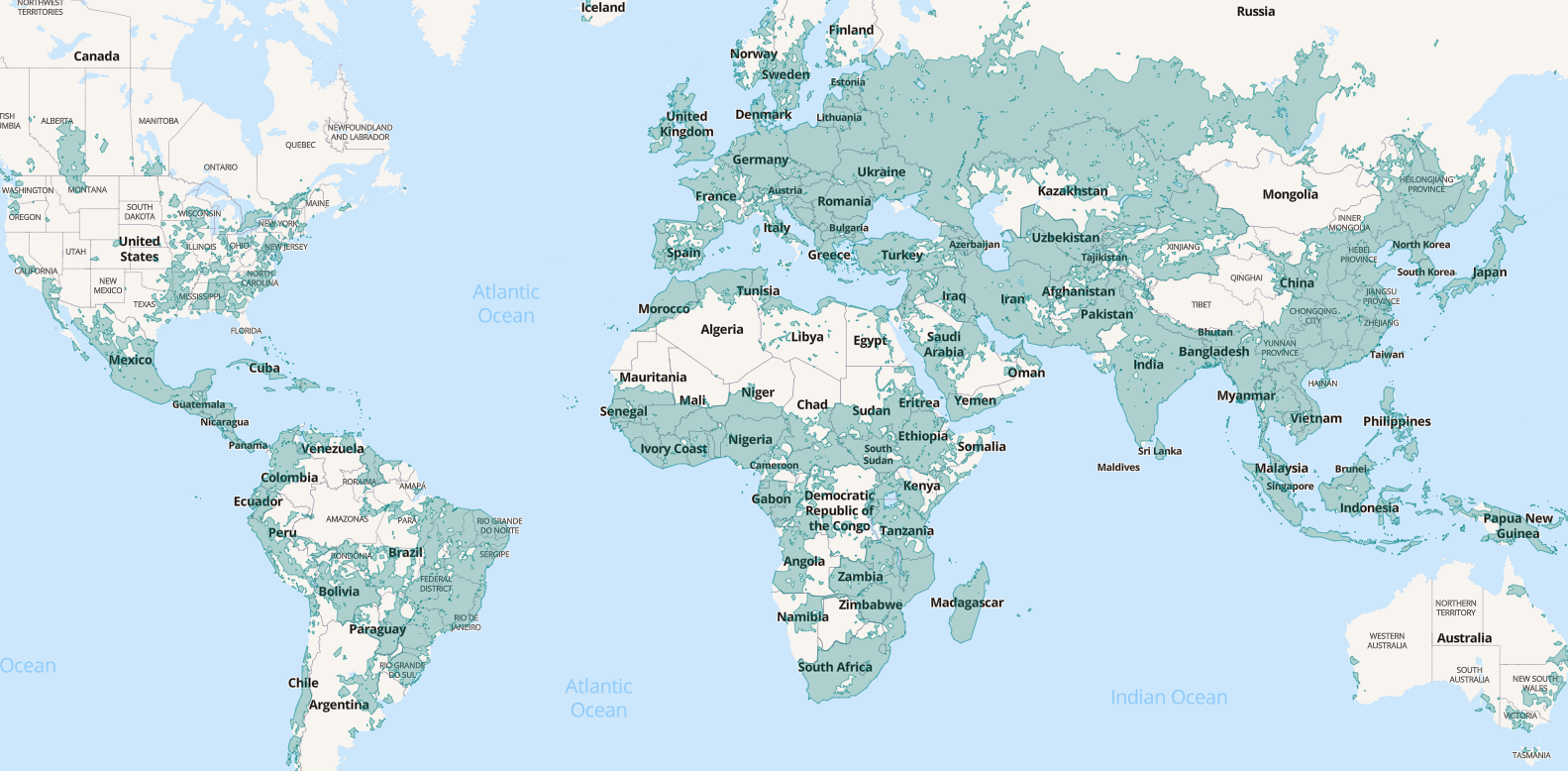
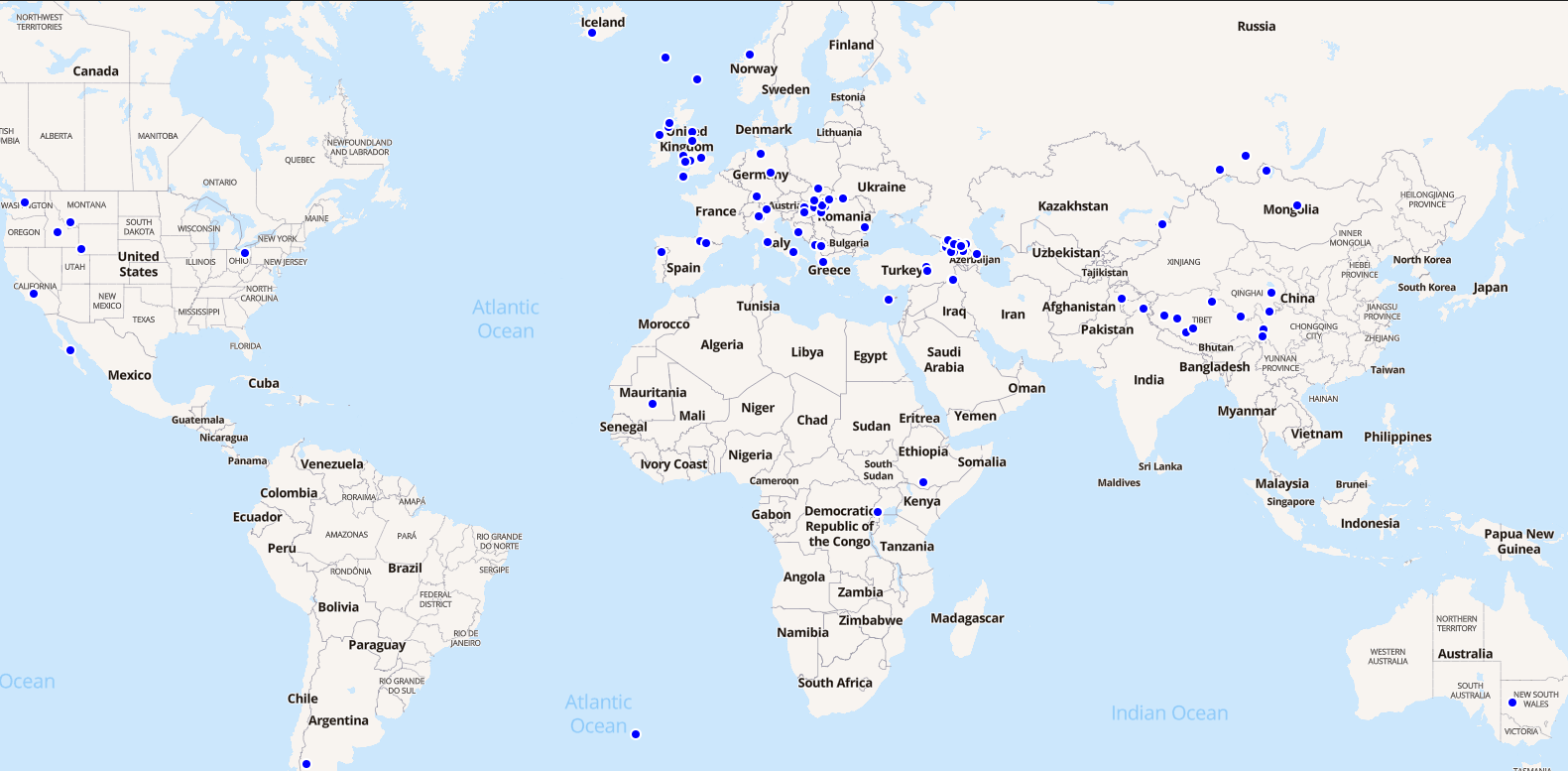
These maps show the distribution of livestock species and their wild relatives. For the livestock species, the maps also show the pastoralist groups that keep that species. Small numbers of animals are found outside the areas shown.
Areas with favourable environments (adequate rainfall, moderate temperatures, good soils, flat land) tend to have large numbers of the major pastoralist livestock species: cattle, goats, horses and sheep. But these animals are generally kept under intensive or semi-intensive management: in backyards, livestock sheds, enclosed fields and feedlots. Such management forms account for the majority of the world’s livestock. Pastoralists who keep the species above usually herd them in less favoured areas that are too dry, steep, hot or cold for cropping or intensive livestock production. The locations of the pastoralist groups in the maps shows this: they are usually near the edges of the distribution areas of each species.
Almost all the world’s buffaloes, ducks and pigs are kept under intensive or semi-intensive management, but some are herded by pastoralists. Some pastoralists keep chickens, but they rarely take them on migration.
The less common species (alpacas, Bactrian camels, dromedaries, llamas, reindeer and yaks) are generally suited to harsher environments. They are generally managed by pastoralists rather that under intensive management.
Each species has unique characteristics and uses. These include:
- Primary products: Meat, hides, skins, bones, blood, horns, feathers.
- Secondary products: Milk, eggs, wool, mohair, cashmere, antlers, dung, semen, honey, beeswax, propolis.
- Services:
- Environmental: landscape management, erosion control, weed and pest control, pollination, seed transport.
- Labour: traction, riding, herding, guarding, hunting, security, warfare.
- Entertainment: companionship, therapy, tourism, racing, aesthetics, fighting.
Wild relatives of livestock include bison, caribou (as reindeer are called in North America), guanacos, vicuñas and wild camels. Feral dromedaries are found in Australia.
Click on the maps below to see the distribution of each livestock species and the pastoralist groups who keep it. When using the map, you can zoom into a particular area, or combine, show or hide the layers to see the relationships between the locations of the pastoralist groups and the species they keep. Click on a pastoralist group icon to see a description of that group.
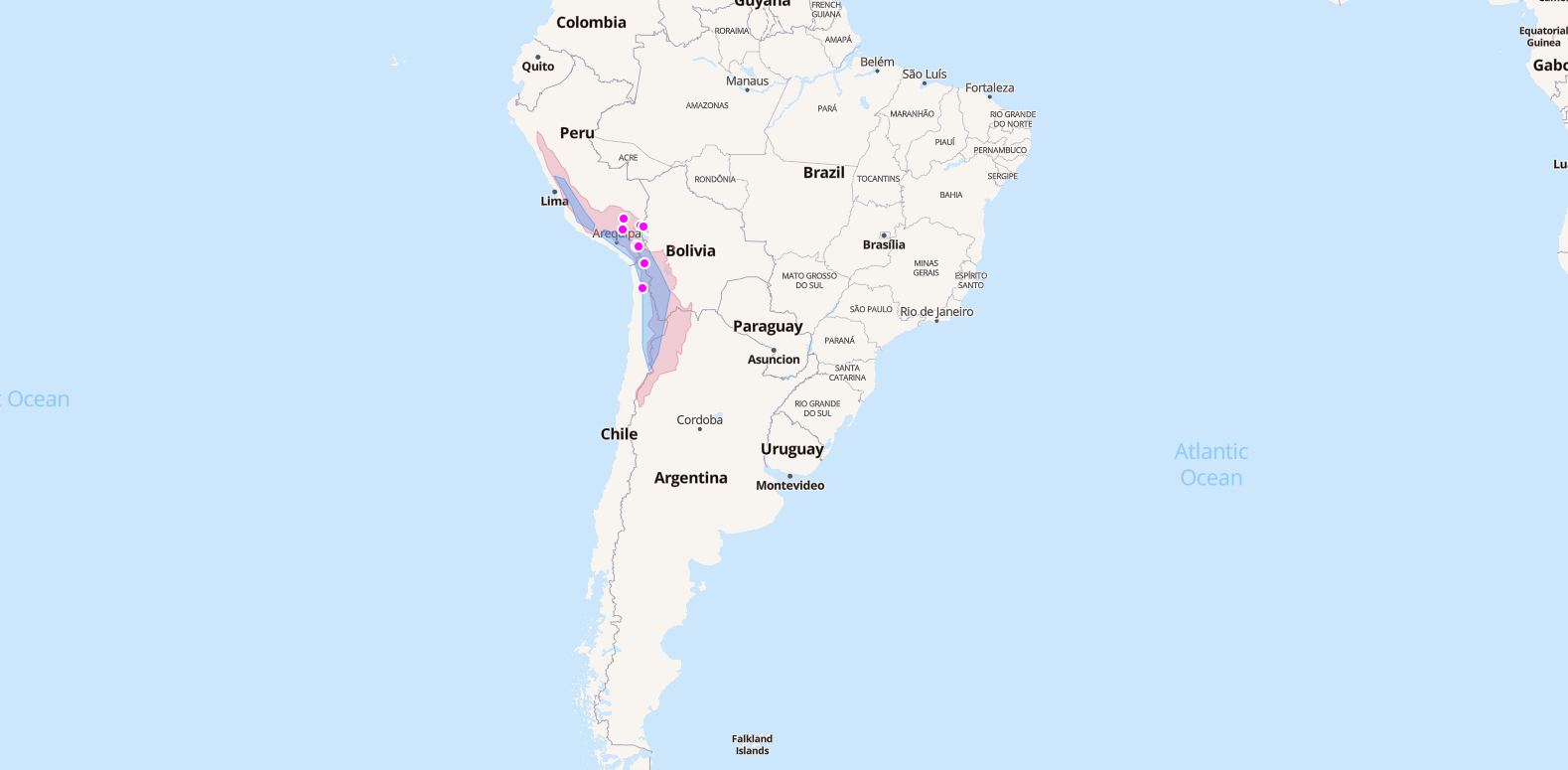 | 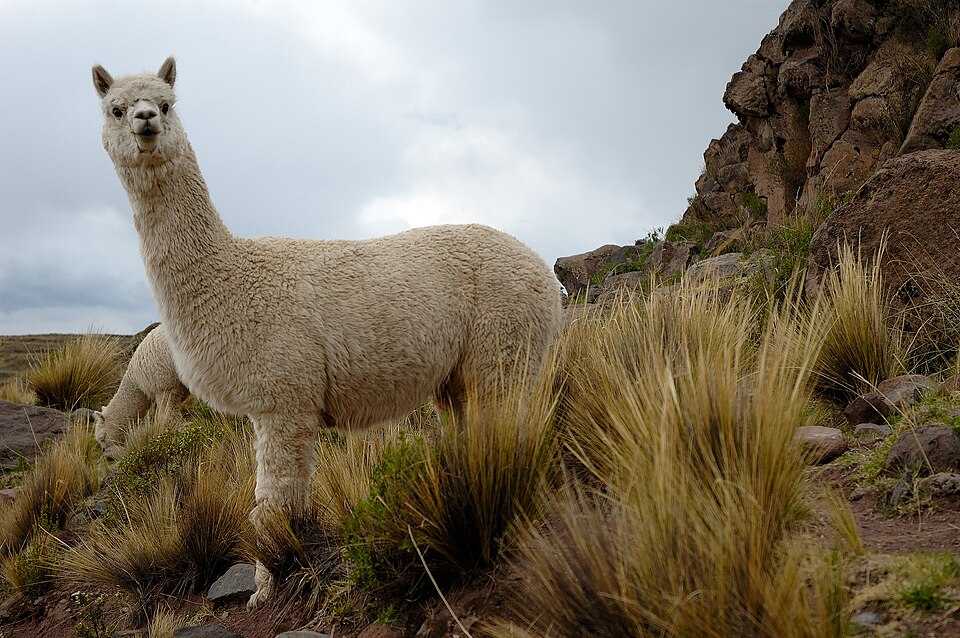 |  Alpacas (Lama pacos) and vicuñas (Lama vicugna) ◄ Photo: Christophe Meneboeuf CC BY-SA 2.5 |
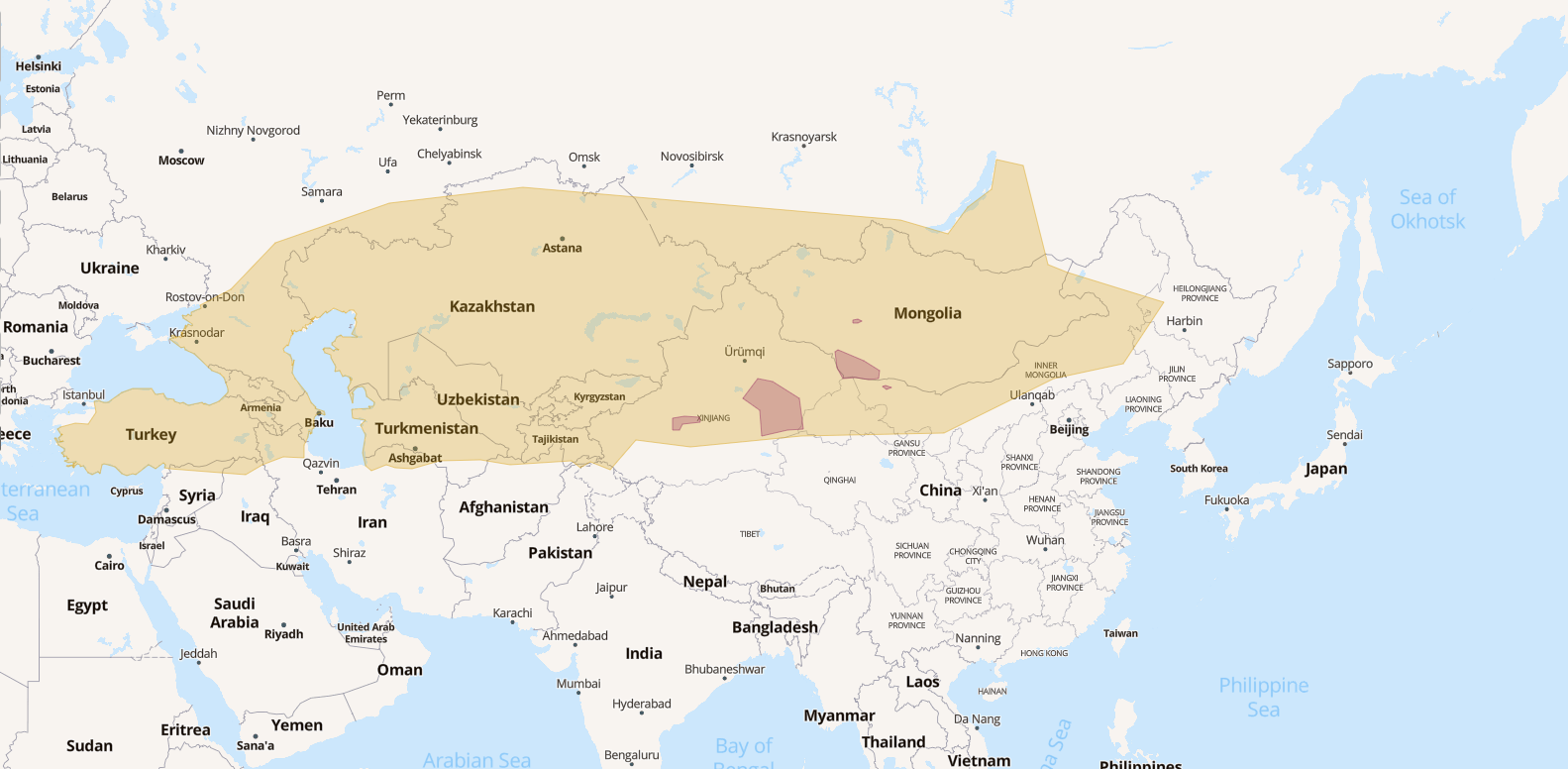 | 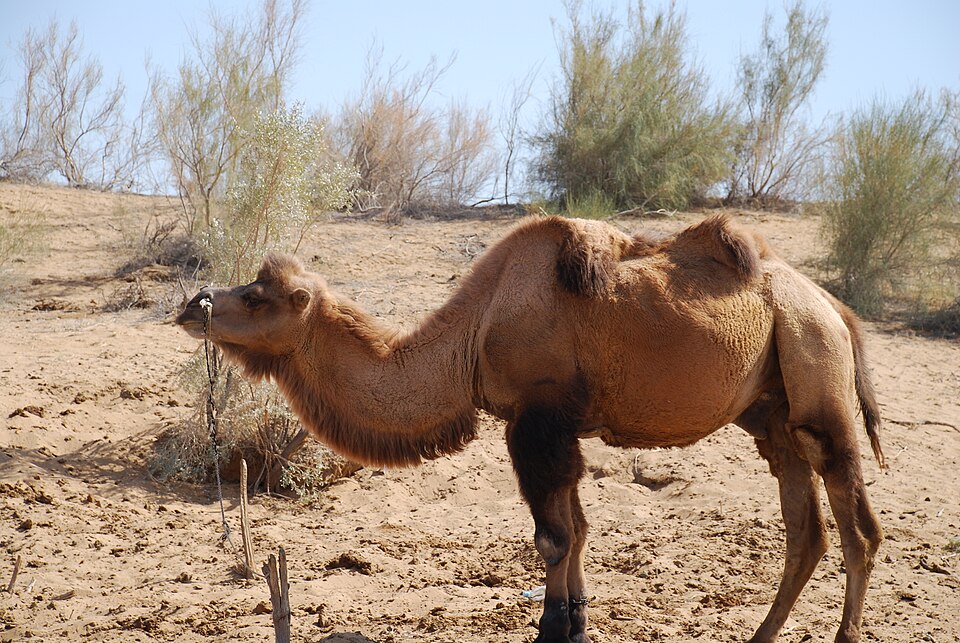 |  Bactrian camels (Camelus bactrianus) and wild camels (Camelus ferus) ◄ Photo: Edmart80 CC BY-SA 4.0 |
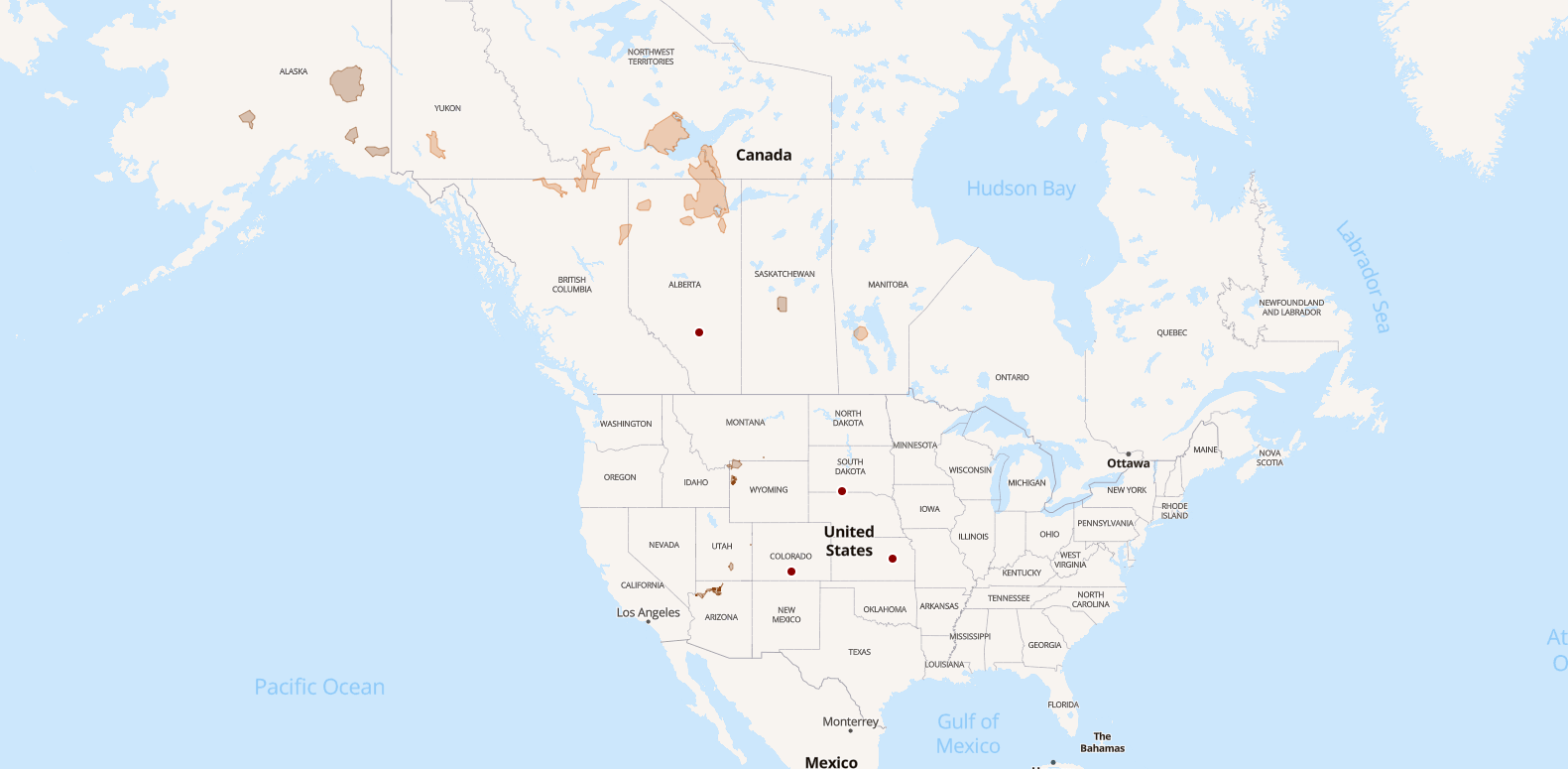 | 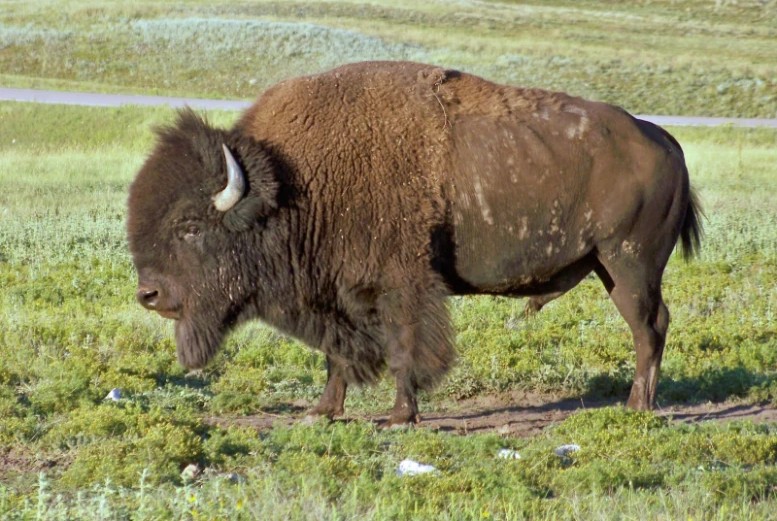 |  American bison (Bison bison) ◄ Photo: James St. John |
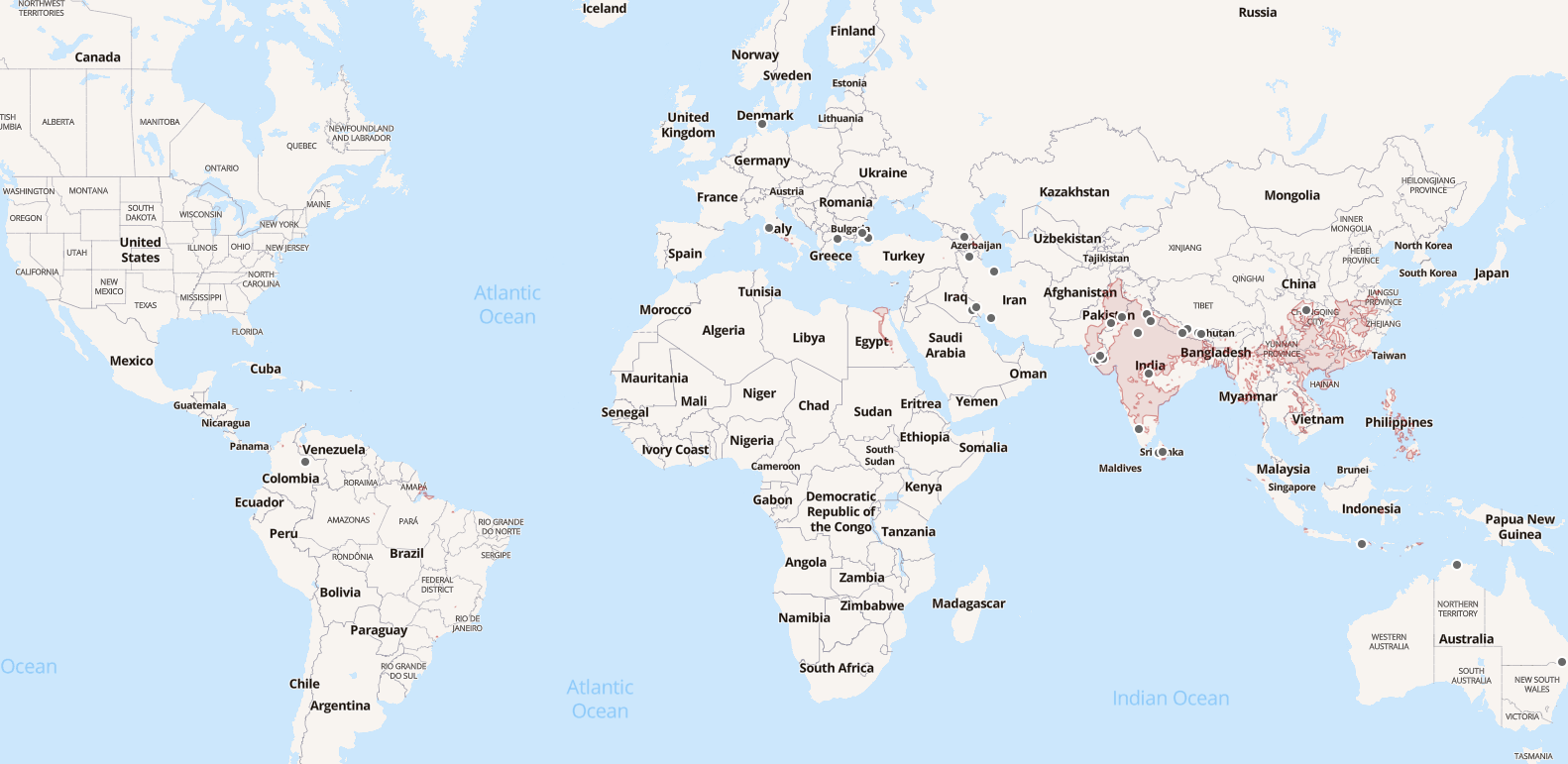 | 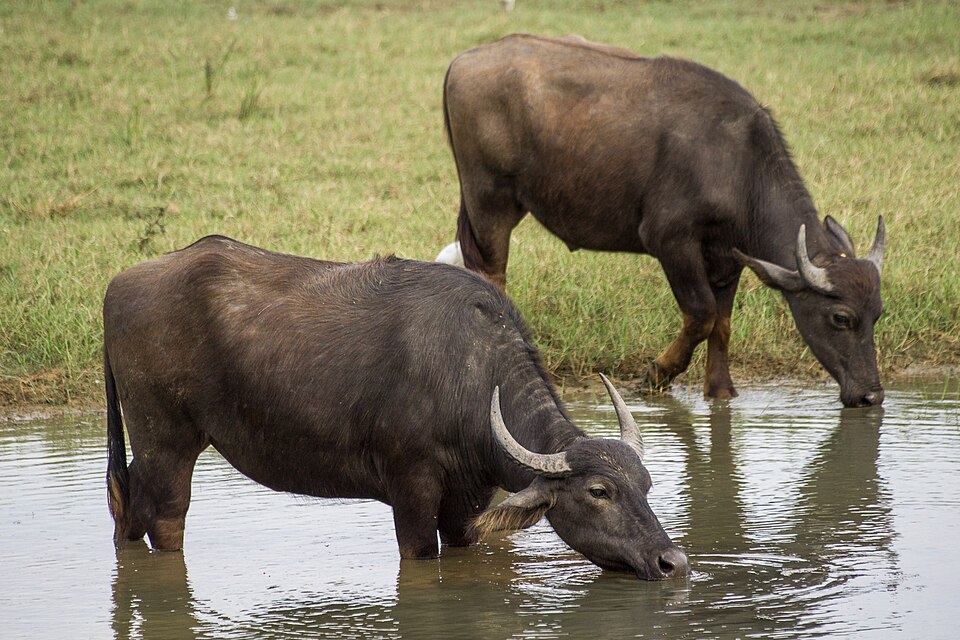 |  Water buffaloes (Bubalus bubalis) ◄ Photo: Eleleleven CC BY-SA 2.0 |
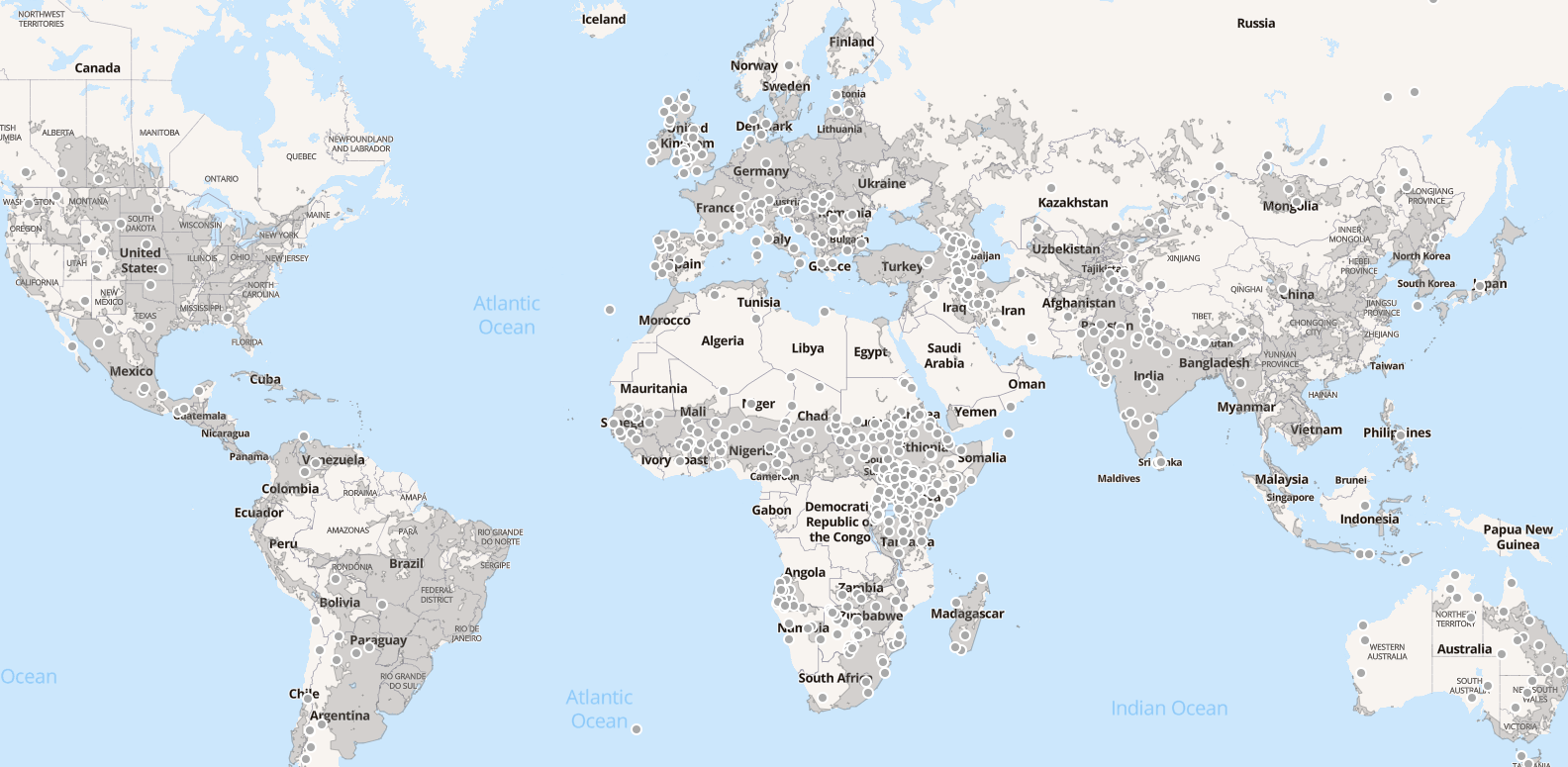 | 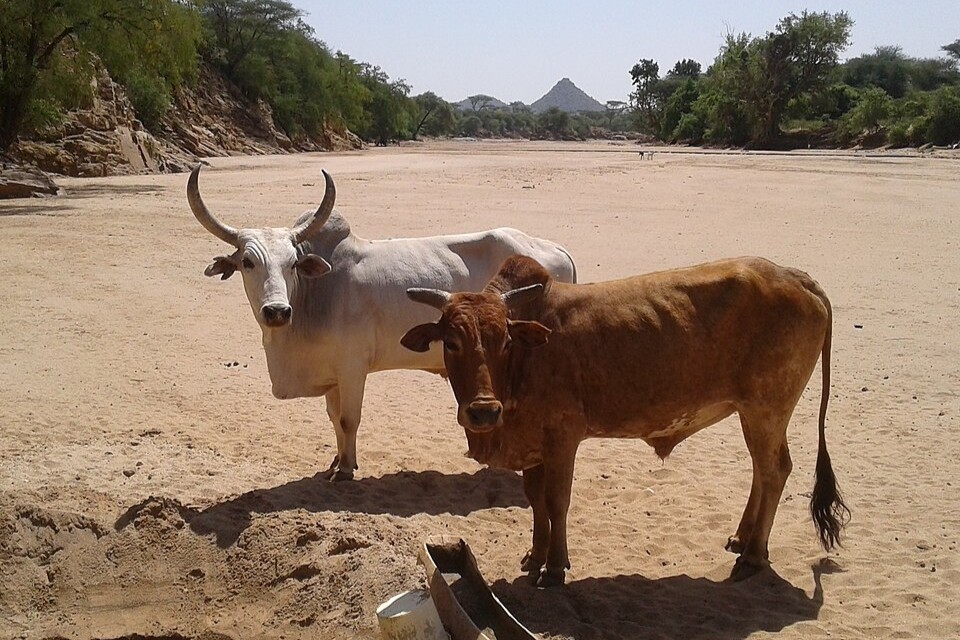 |  Cattle (Bos taurus, Bos indicus) ◄ Photo: Appleslerp CC BY-SA 4.0 |
 | 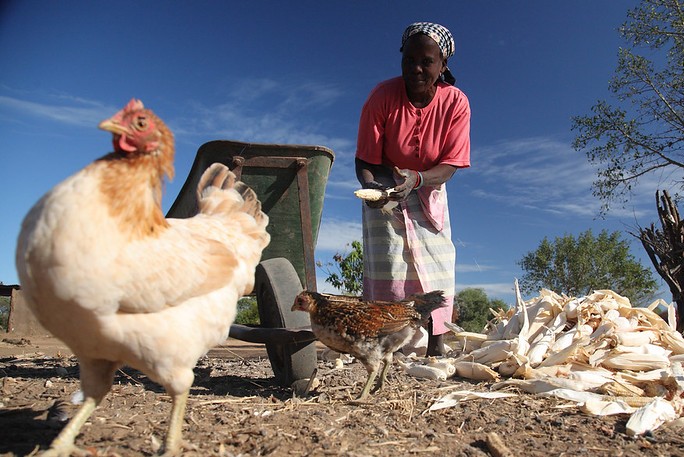 |  Chickens (Gallus gallus domesticus) ◄ Photo: ILRI/Mann CC BY-NC-ND 2.0 |
 | 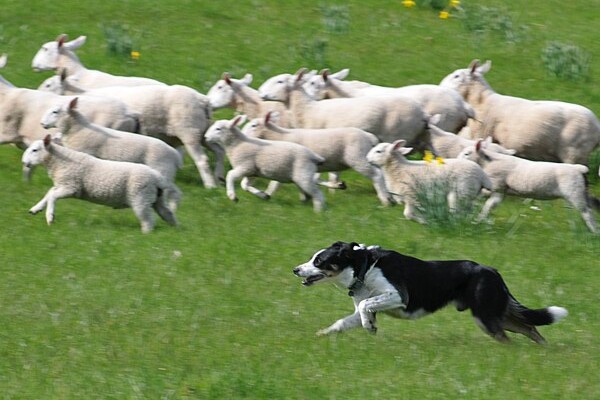 |  Dogs (Canis familiaris) ◄ Photo: ArbutusRidge CC BY 2.0 |
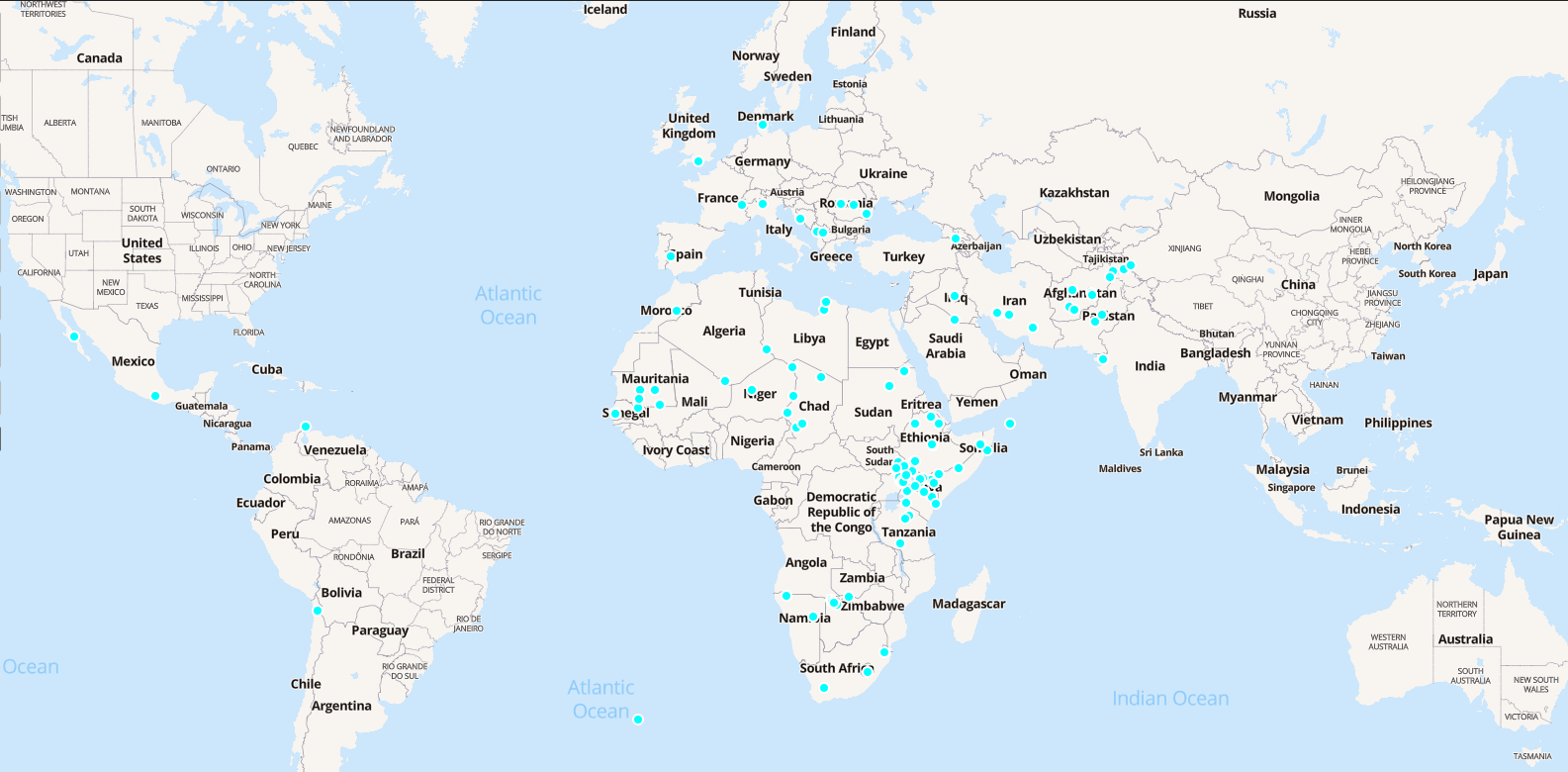 | 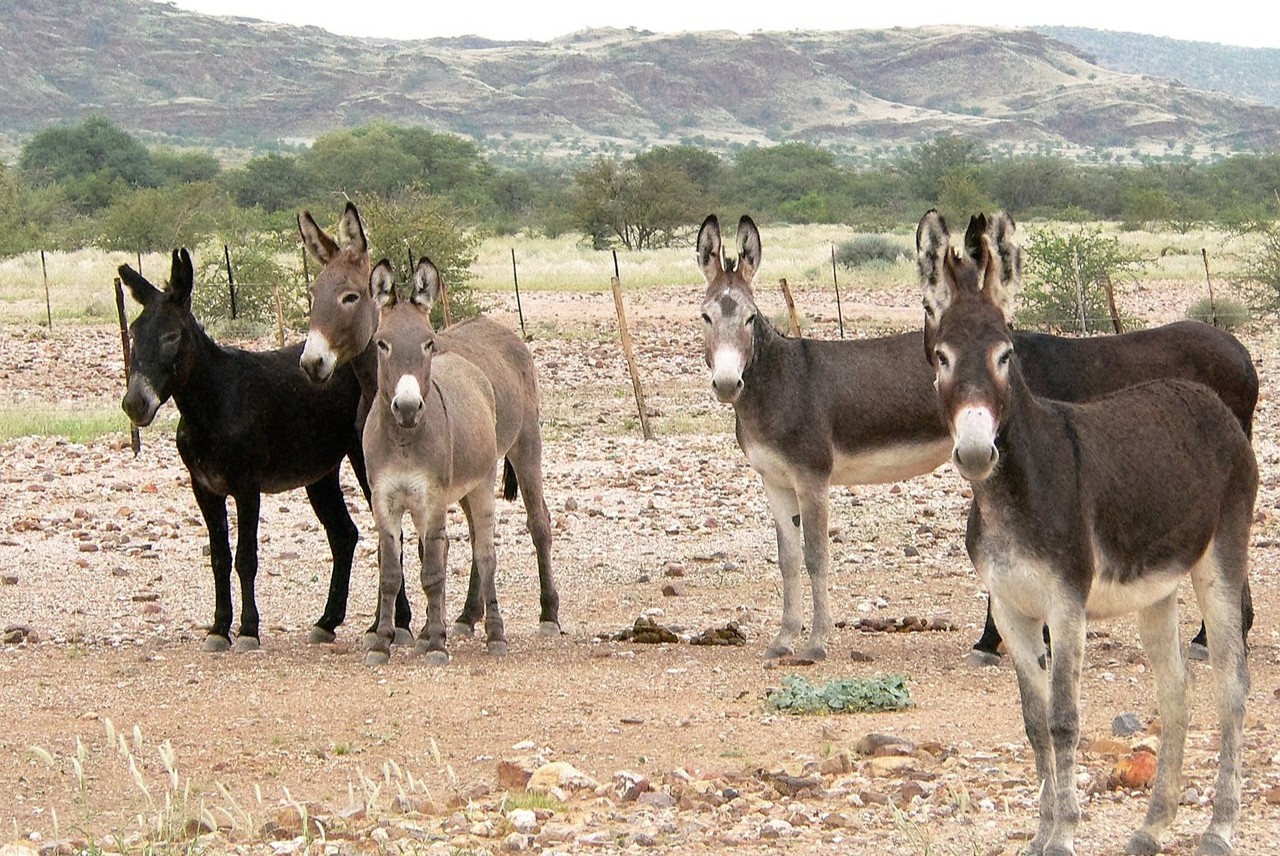 |  Donkeys (Equus asinus) ◄ Photo: Patrizia08 |
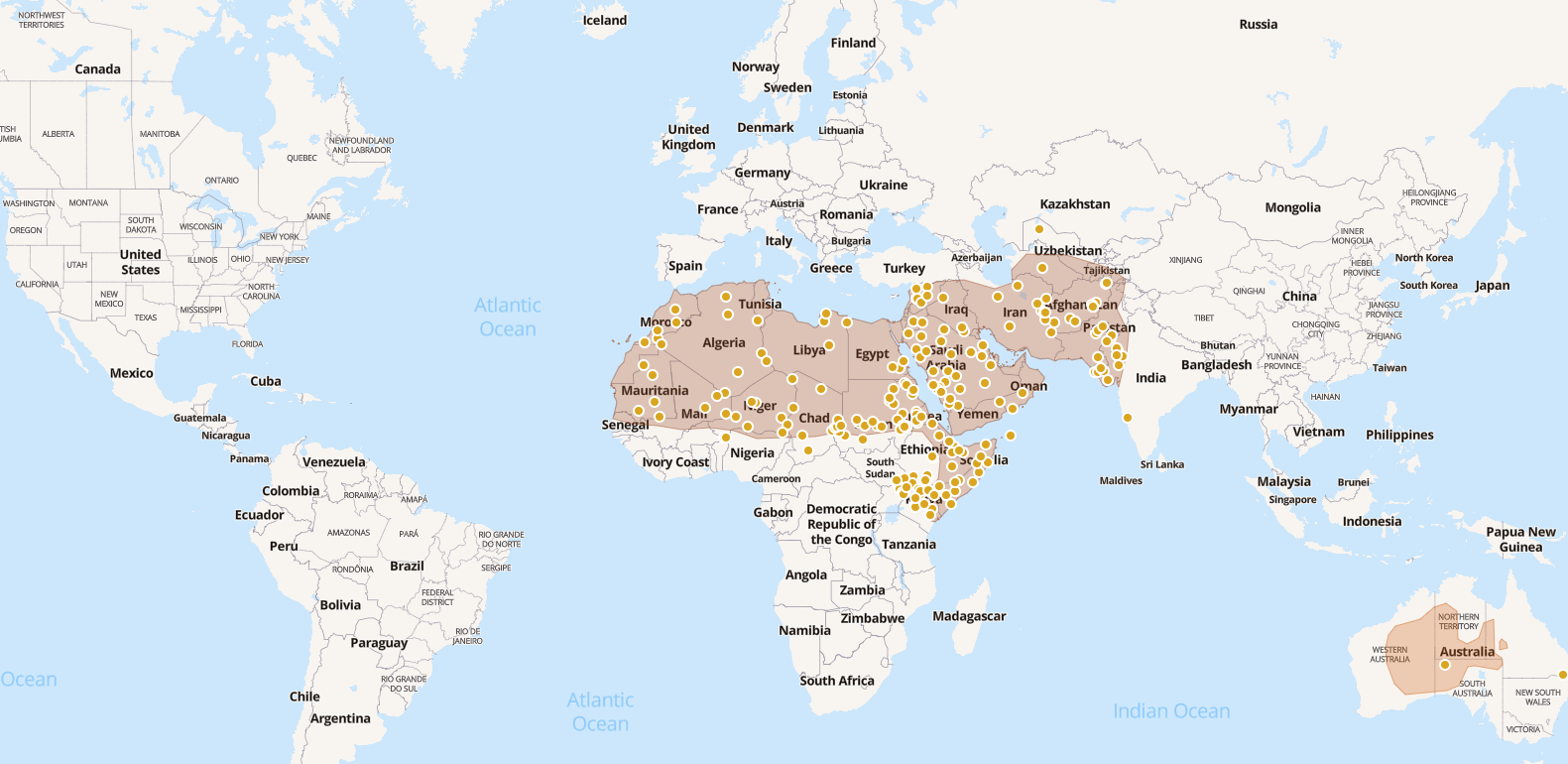 | 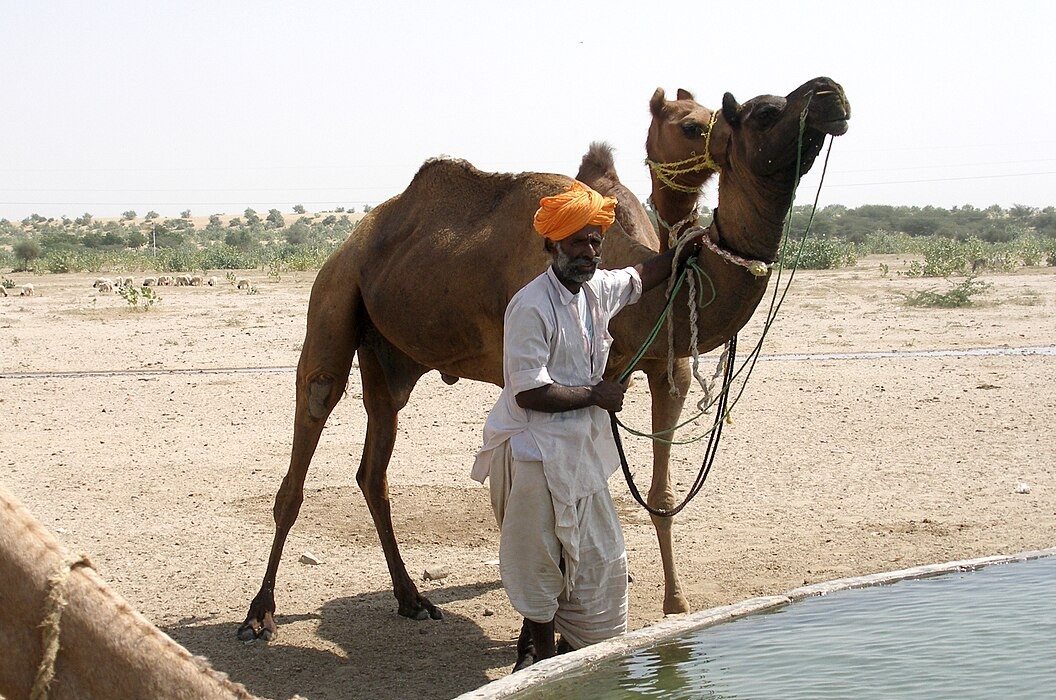 |  Dromedaries (including feral) (Camelus dromedarius) ◄ Photo: Vyacheslav Argenberg CC BY 4.0 |
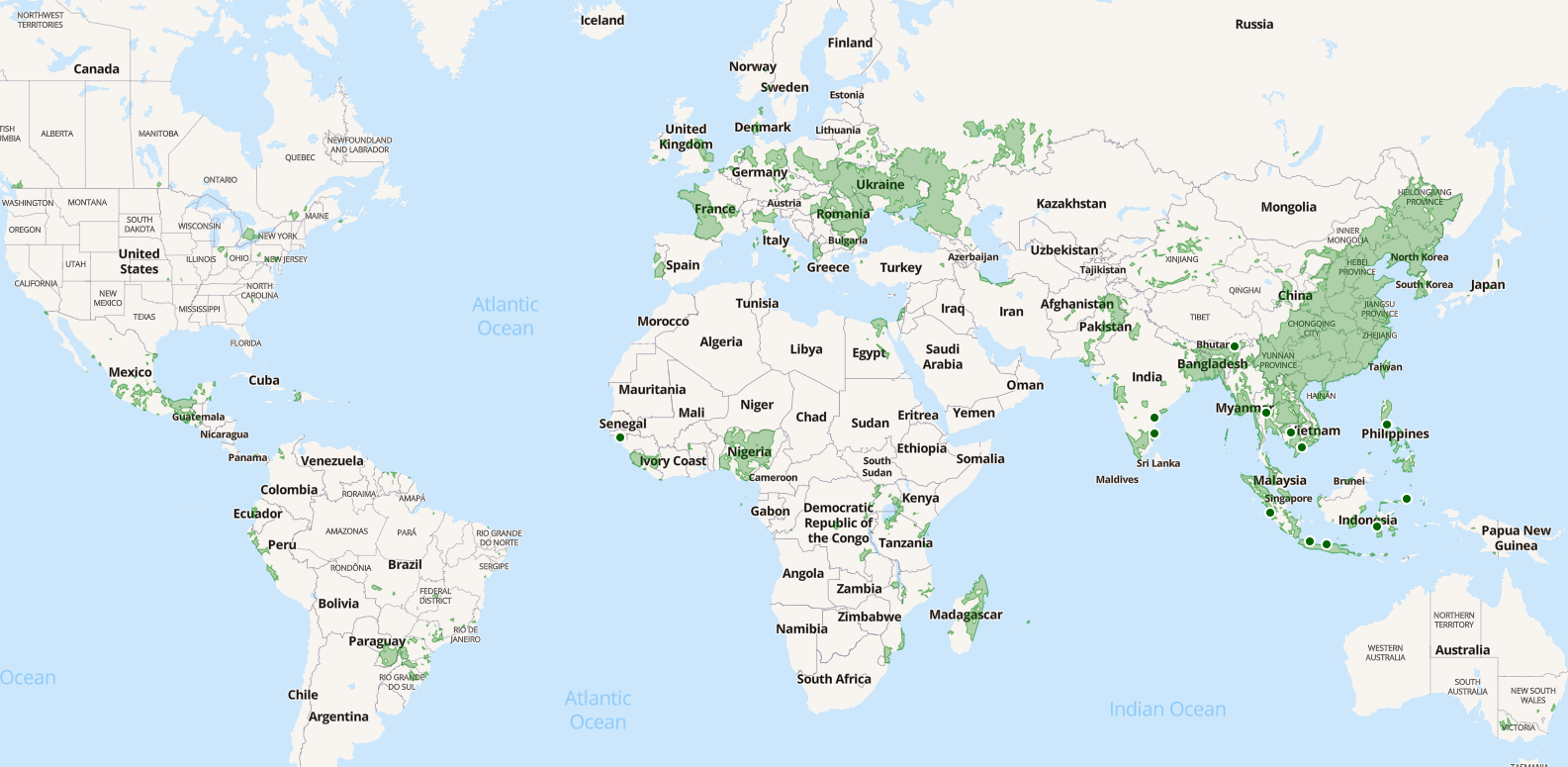 | 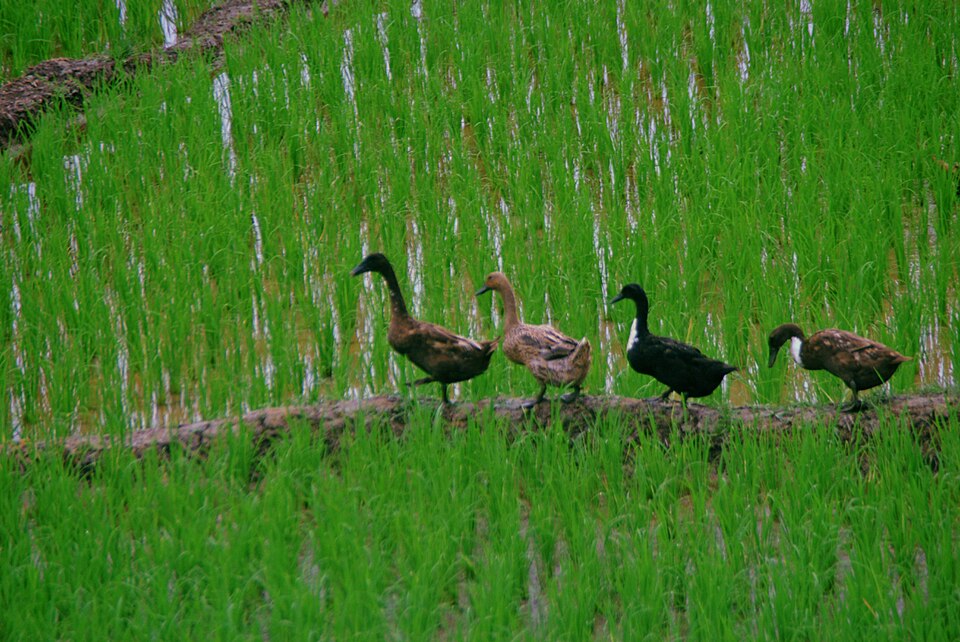 |  Ducks (Anas platyrhynchos domesticus, Cairina moschata domestica) ◄ Photo: Mu’affii CC BY-SA 4.0 |
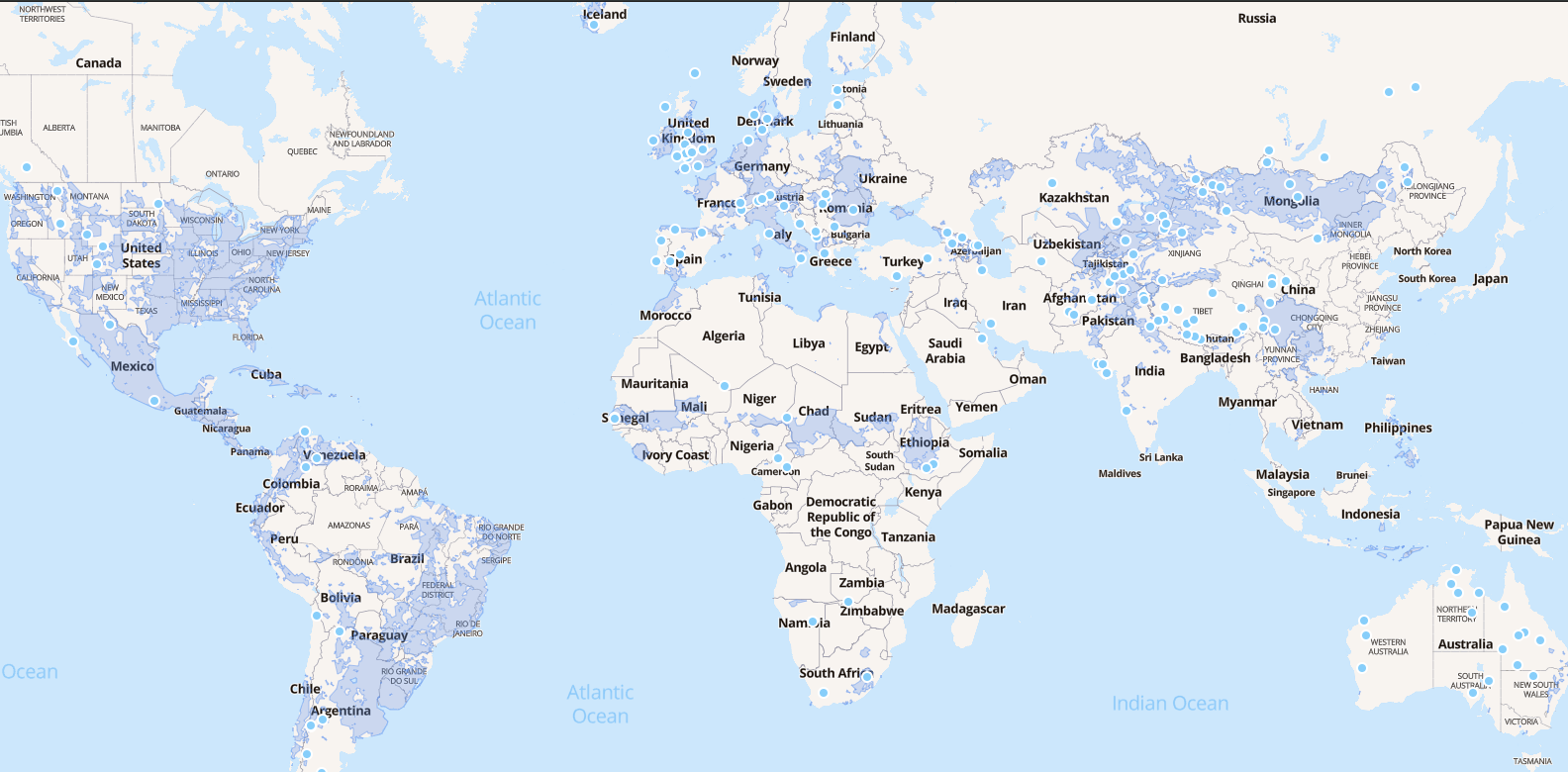
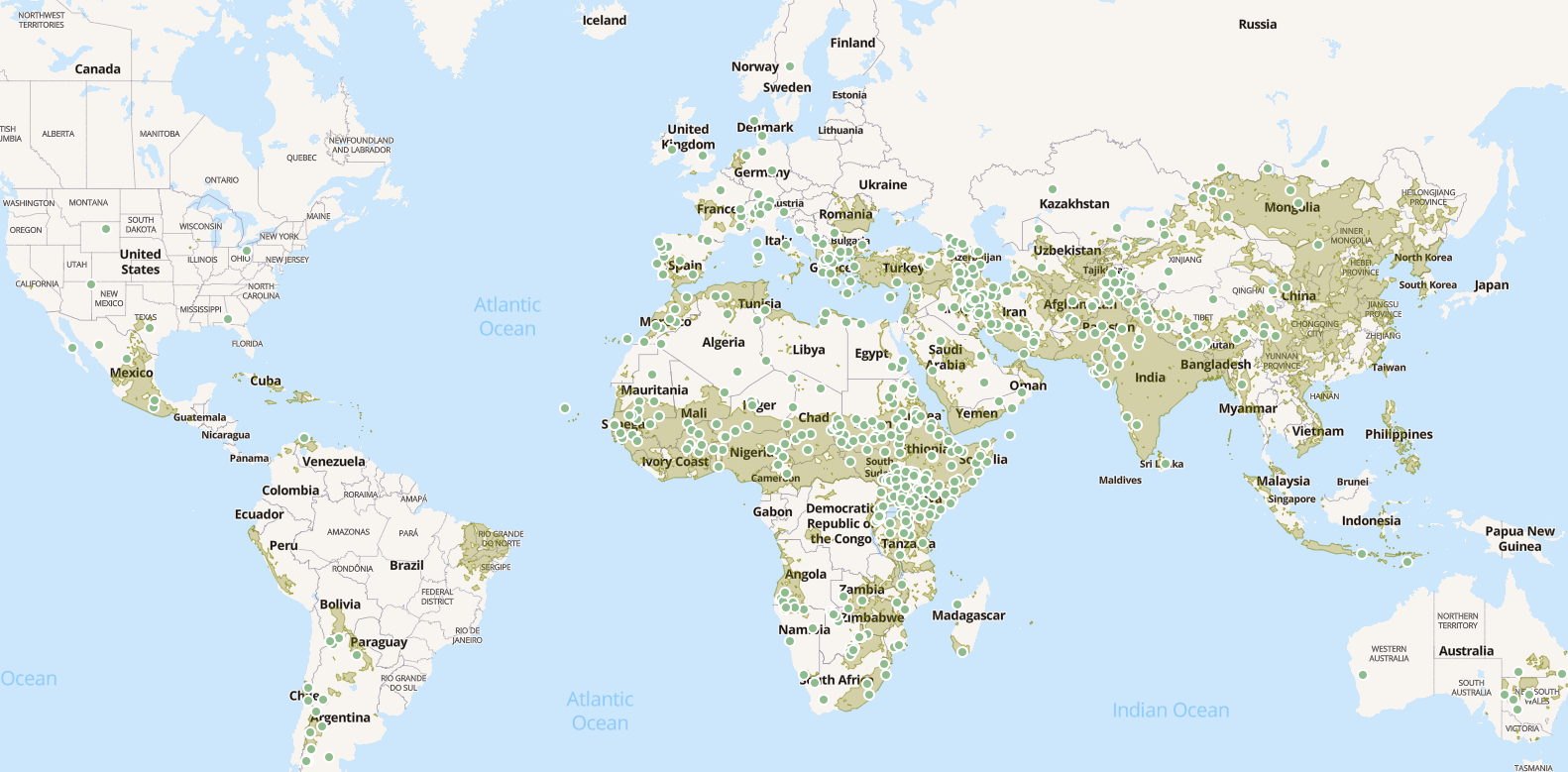 | 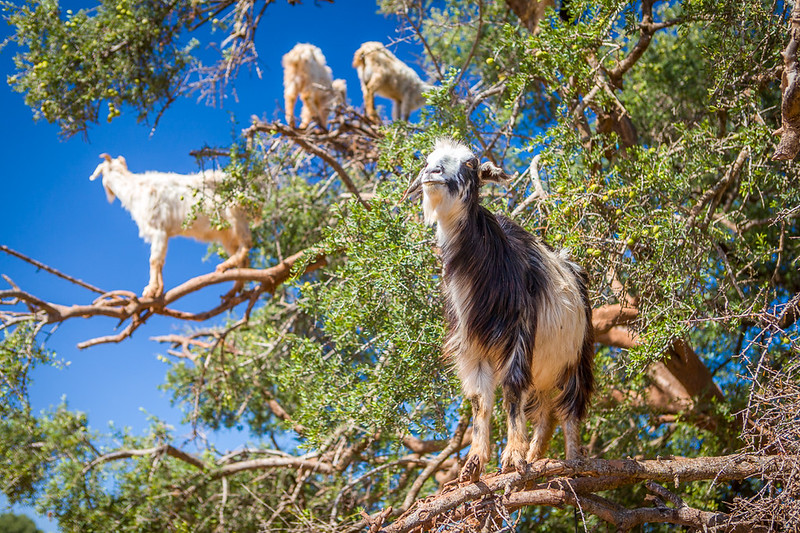 |  Goats (Capra hircus) ◄ Photo: Fred Dunn CC BY-NC 2.0 |
 | 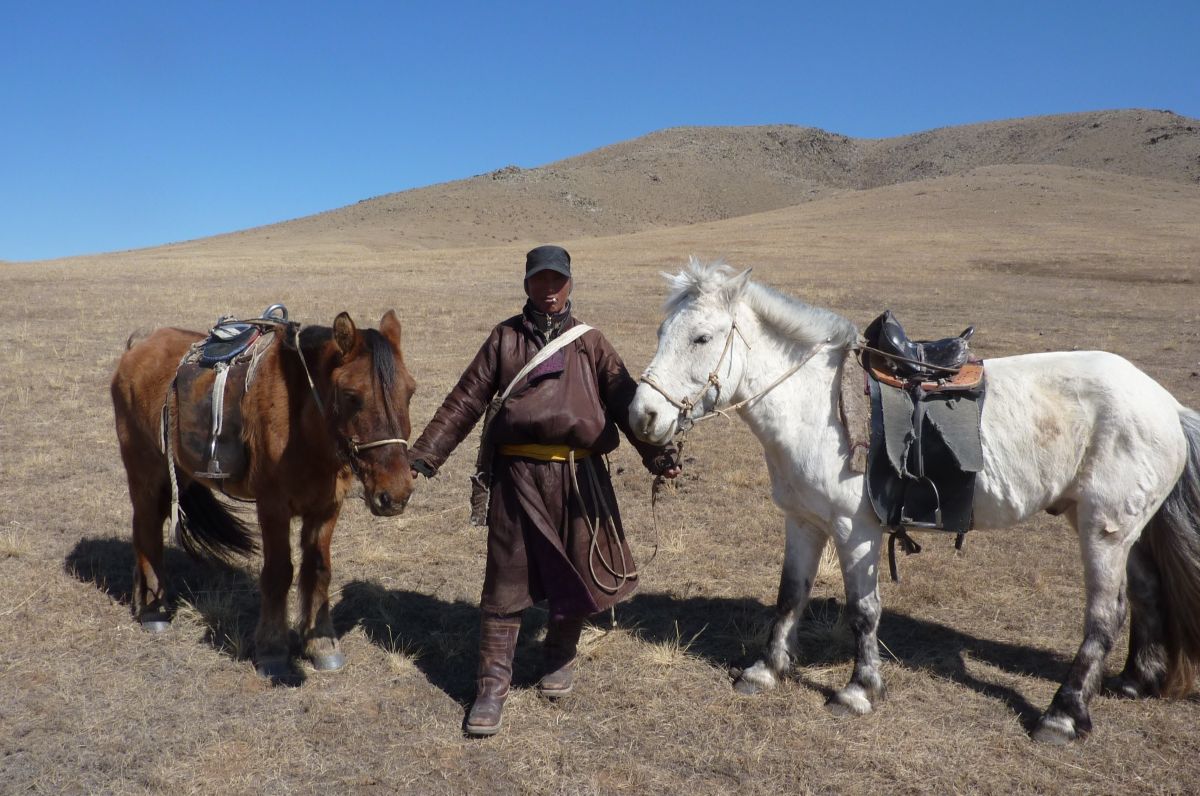 |  Horses (Equus ferus caballus) ◄ Photo: Paul Mundy |
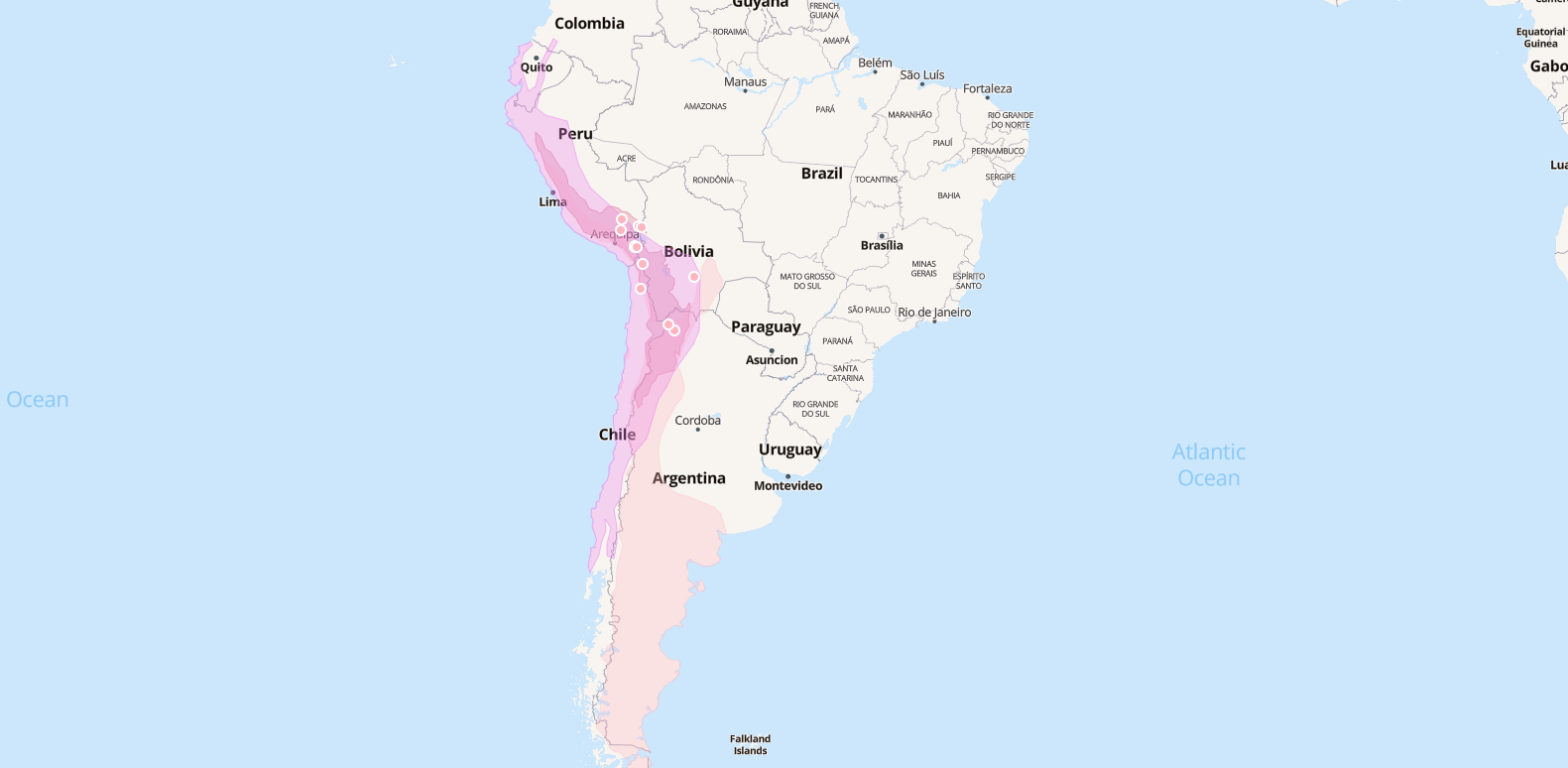 | 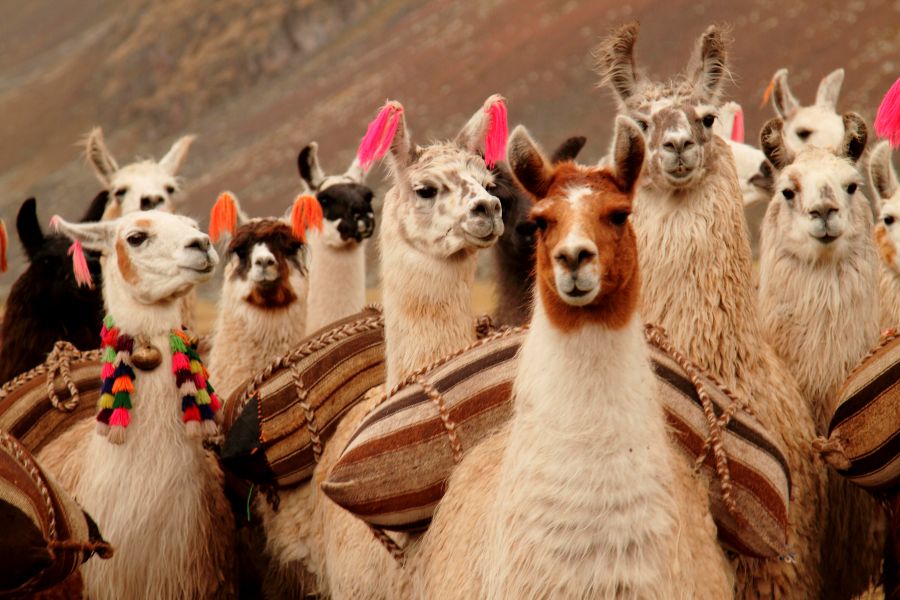 |  Llamas (Lama glama) and guanacos (Lama guanicoe) ◄ Photo: AlonsoParedes CC BY-SA 4.0 |
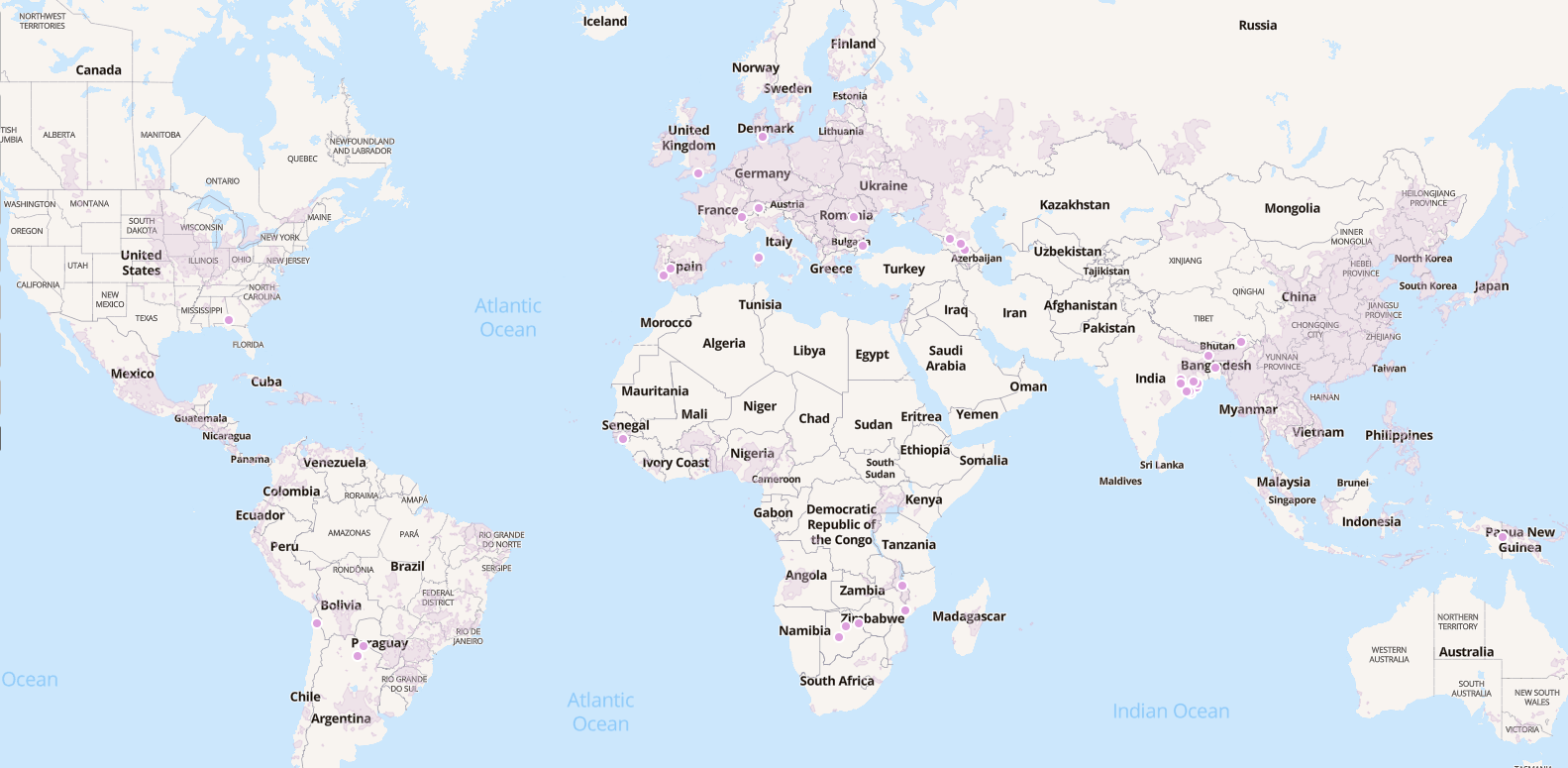 | 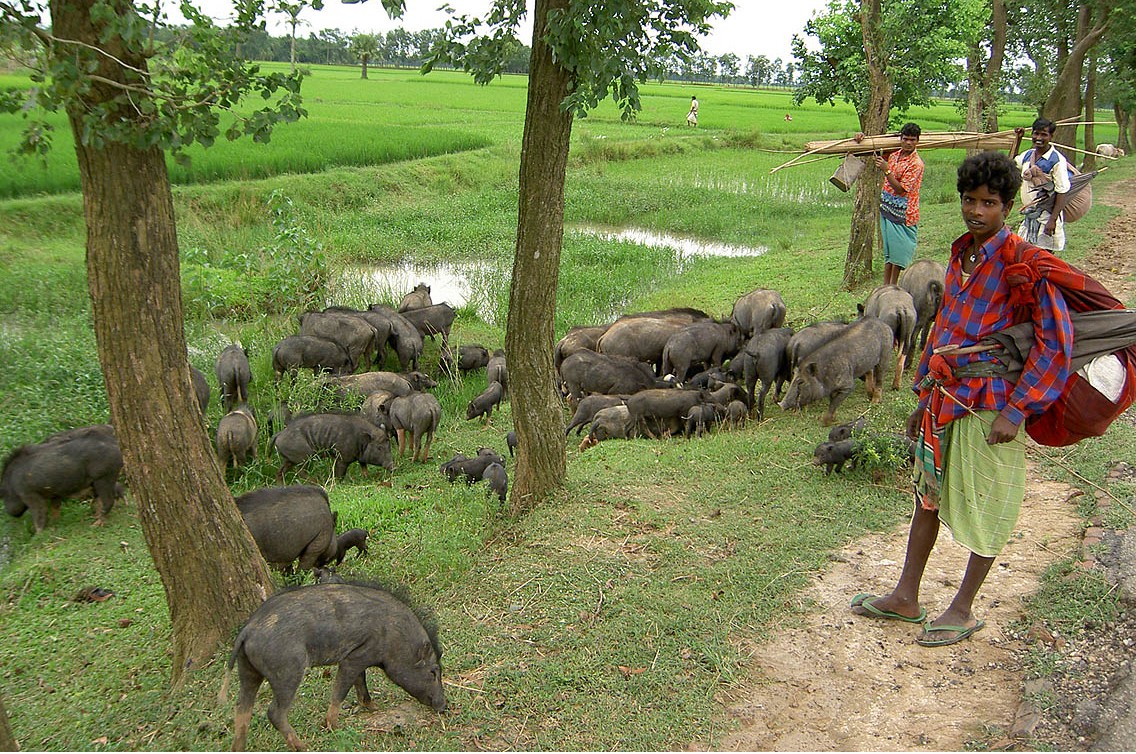 |  Pigs (Sus domesticus) ◄ Photo: Arttu Manninen CC BY-NC-ND 2.0 |
 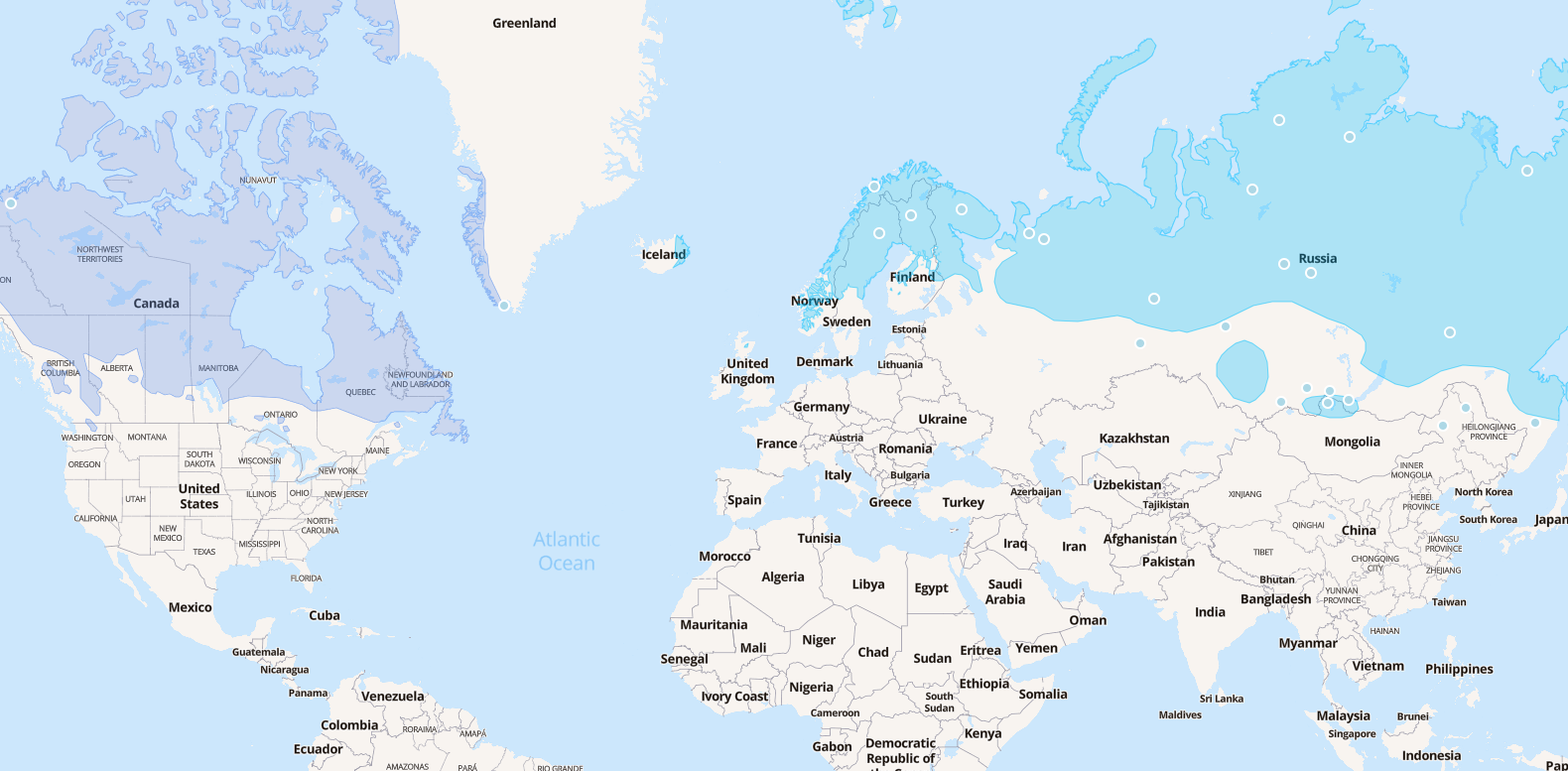 | 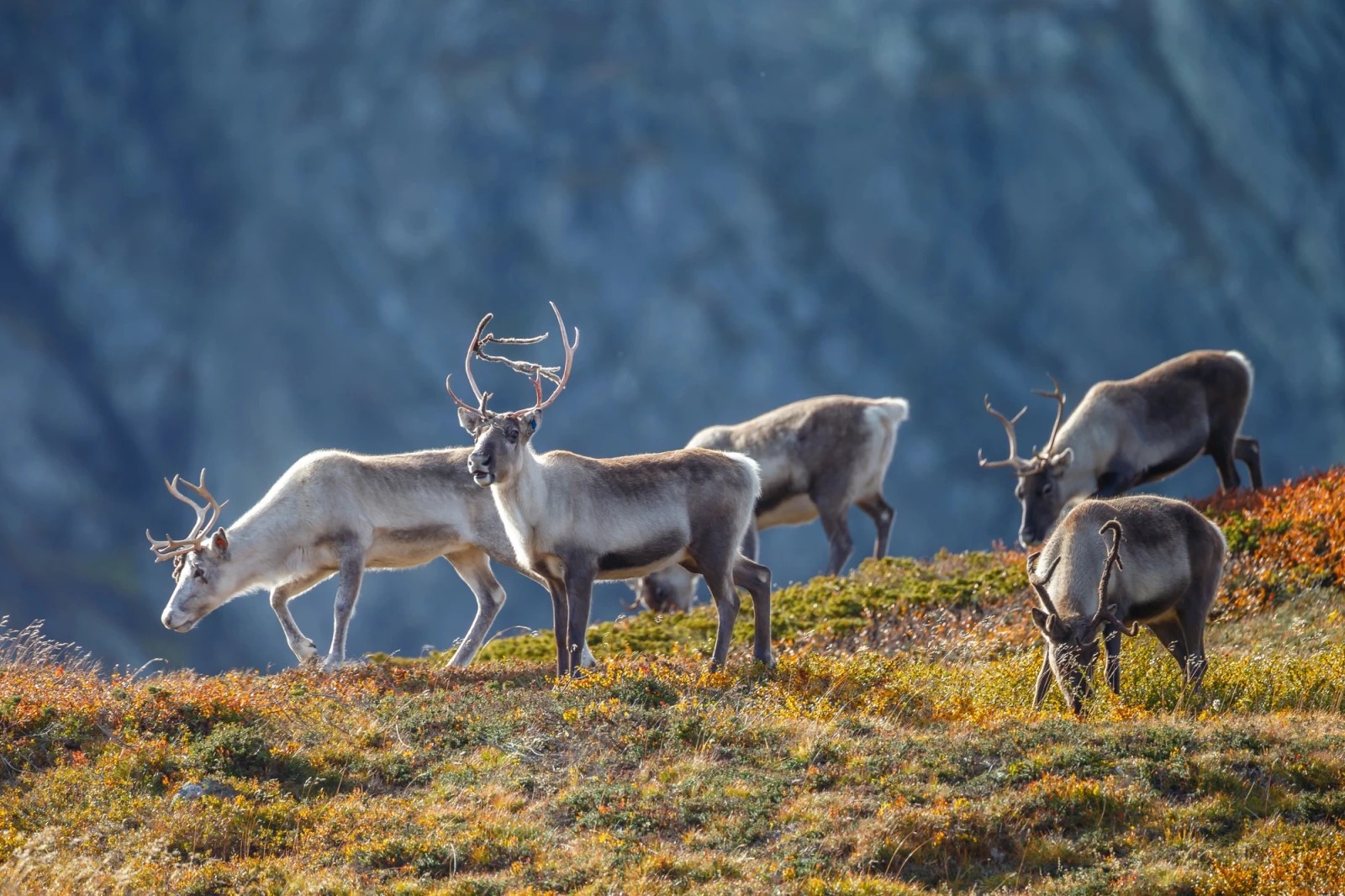 |  Reindeer and caribou (Rangifer tarandus) ◄ Photo: MennoSchaefer |
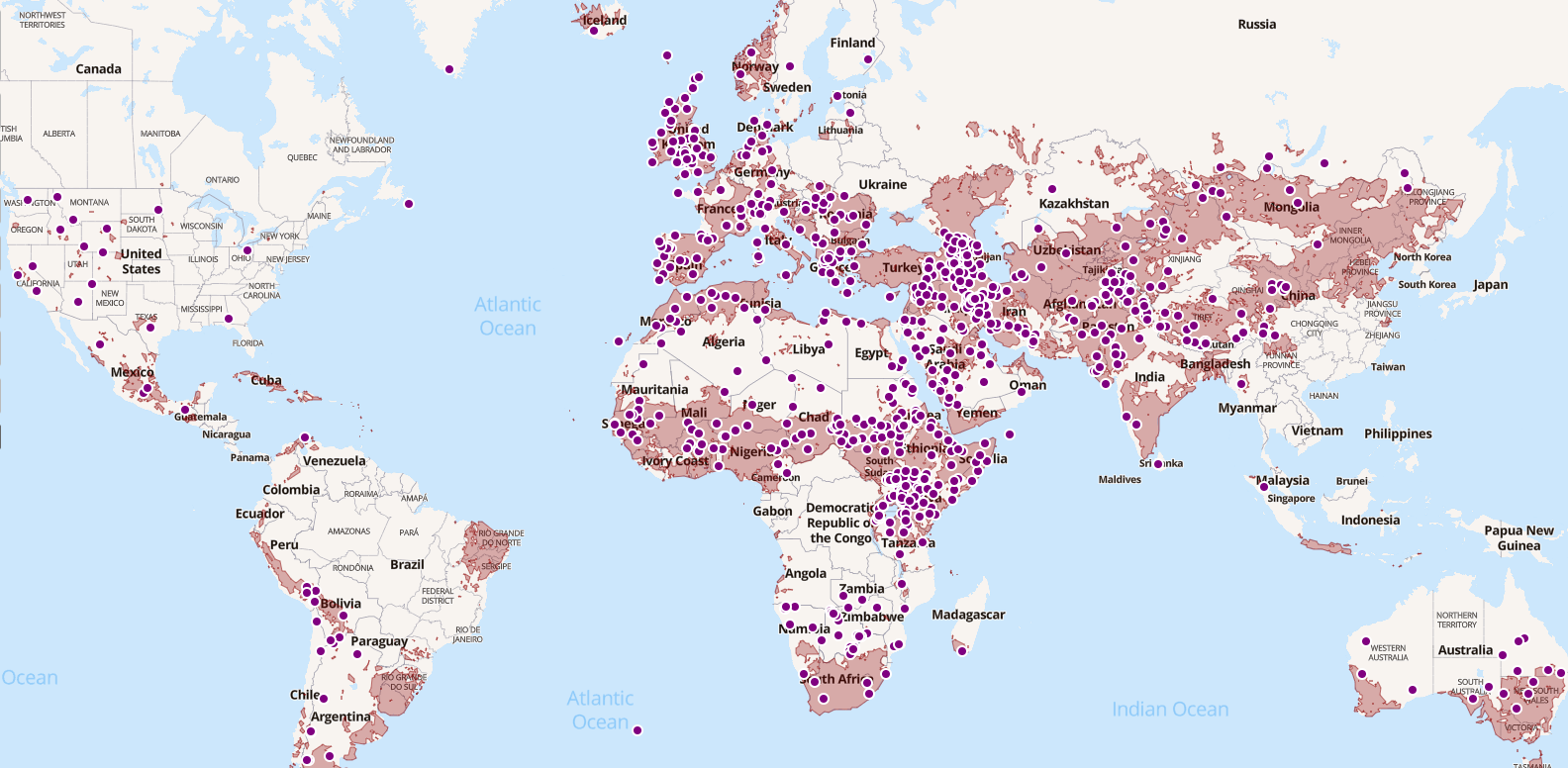 | 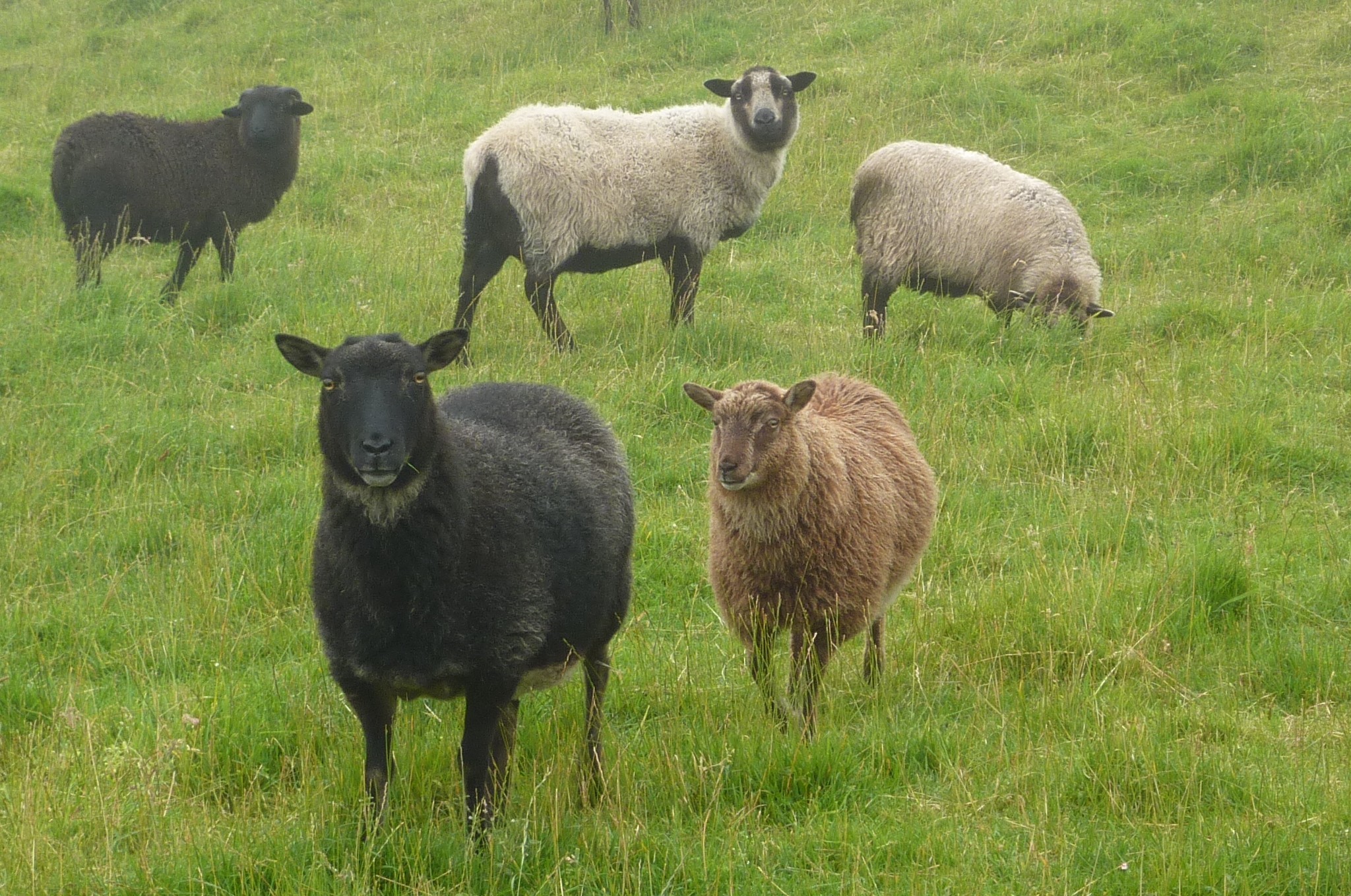 |  Sheep (Ovis aries) ◄ Photo: Paul Mundy |
 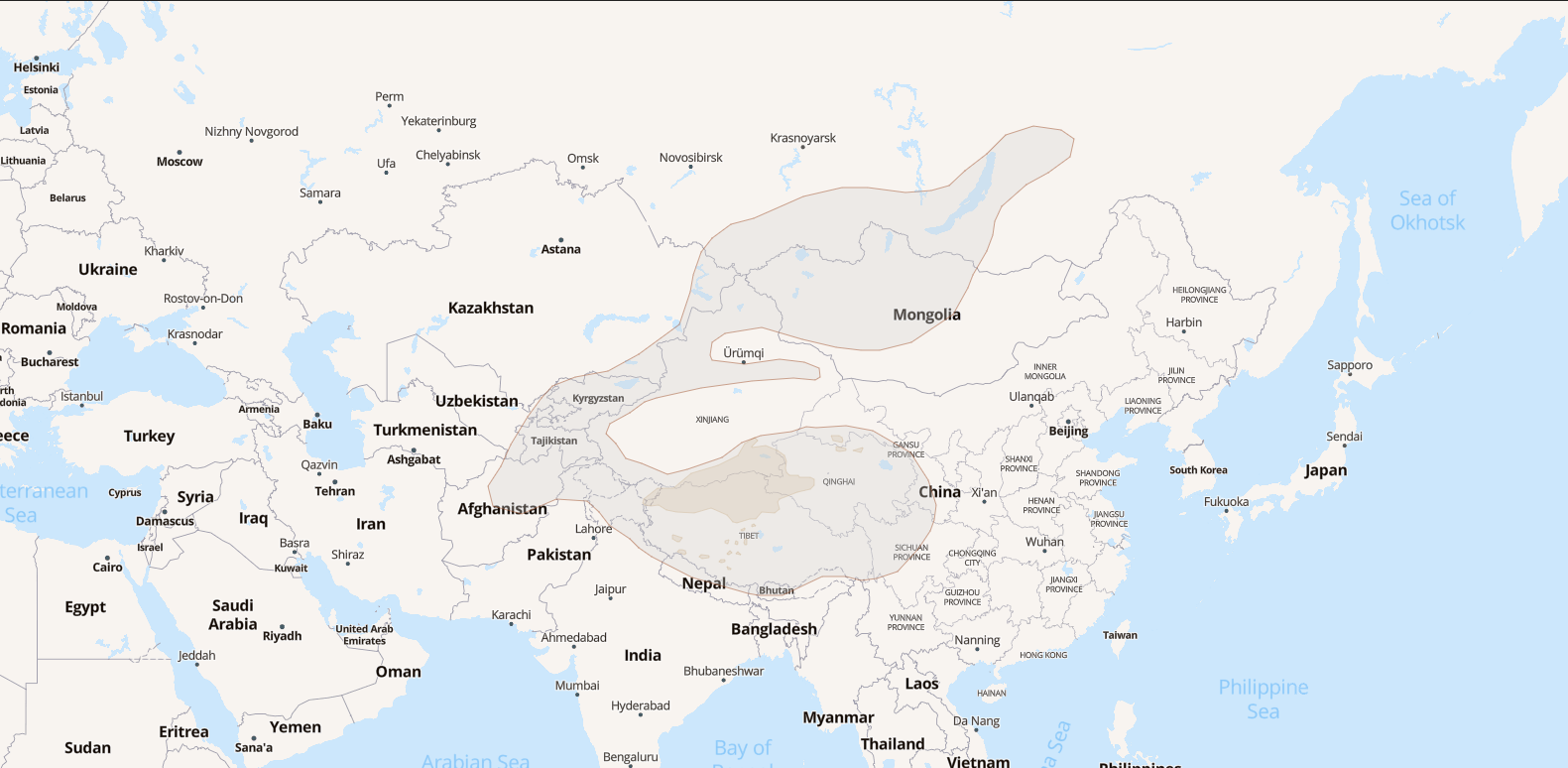 | 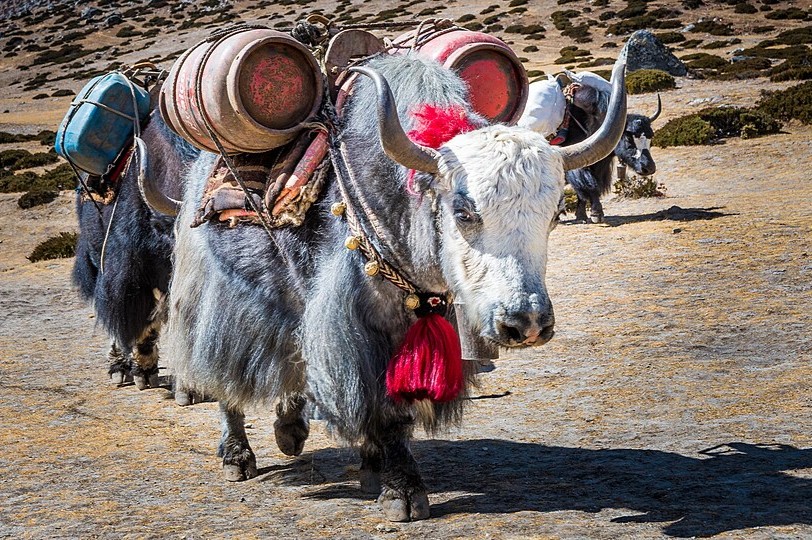 |  Yaks (Bos grunniens) and wild yaks (Bos mutus) ◄ Photo: Tom Ek CC BY-SA 2.0 |


.jpg)


| | Alpacas (Lama pacos) and vicuñas (Lama vicugna) ◄ Photo: Christophe Meneboeuf CC BY-SA 2.5 |
| | Bactrian camels (Camelus bactrianus) and wild camels (Camelus ferus) ◄ Photo: Edmart80 CC BY-SA 4.0 |
| | American bison (Bison bison) ◄ Photo: James St. John |
| | Water buffaloes (Bubalus bubalis) ◄ Photo: Eleleleven CC BY-SA 2.0 |
| | Cattle (Bos taurus, Bos indicus) ◄ Photo: Appleslerp CC BY-SA 4.0 |
| | Chickens (Gallus gallus domesticus) ◄ Photo: ILRI/Mann CC BY-NC-ND 2.0 |
| | Dogs (Canis familiaris) ◄ Photo: ArbutusRidge CC BY 2.0 |
| | Donkeys (Equus asinus) ◄ Photo: Patrizia08 |
| | Dromedaries (including feral) (Camelus dromedarius) ◄ Photo: Vyacheslav Argenberg CC BY 4.0 |
| | Ducks (Anas platyrhynchos domesticus, Cairina moschata domestica) ◄ Photo: Mu’affii CC BY-SA 4.0 |
| | Goats (Capra hircus) ◄ Photo: Fred Dunn CC BY-NC 2.0 |
| | Horses (Equus ferus caballus) ◄ Photo: Paul Mundy |
| | Llamas (Lama glama) and guanacos (Lama guanicoe) ◄ Photo: AlonsoParedes CC BY-SA 4.0 |
| | Pigs (Sus domesticus) ◄ Photo: Arttu Manninen CC BY-NC-ND 2.0 |
| | Reindeer and caribou (Rangifer tarandus) ◄ Photo: MennoSchaefer |
| | Sheep (Ovis aries) ◄ Photo: Paul Mundy |
| | Yaks (Bos grunniens) and wild yaks (Bos mutus) ◄ Photo: Tom Ek CC BY-SA 2.0 |