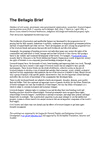
Milking Nari cattle, Rajasthan, India
Photo: Ilse Koehler-Rollefson

Chickens, Sri Lanka
Photo: Sunil Gamage

Tzotzil shepherdesses inspecting fleece quality, Mexico
Photo: Raul Perezgrovas

Bellagio Study and Conference Center, Italy
Photo: Irene Hoffmann |
There are some 7000 breeds of
cattle, goats, pigs, sheep, chickens, camels, and other types of
livestock worldwide. These breeds form the building material for the
livestock development of the future, so are of immense significance for
long-term global food-security. Most breeds are the result of
centuries of breeding by pastoralists and small-scale livestock
keepers. They have crafted animals that are highly adapted to their
local environment, resist pests and diseases, and withstand drought and
cold. The animals produce a wide range of products (meat, milk, eggs,
hides, fertilizer) and services (draught power, cash reserve).
But these breeds, and the people who maintain them, are under threat:
- Intensification of farming is replacing local breeds with
high-yielding, uniform breeds.
- Smallholders and pastoralists are losing rights to grazing land,
fodder and water. Unable to feed their animals, many are giving up
livestock-keeping and abandoning the breeds they help maintain.
- The patenting of breeding processes and individual genes
may restrict the rights of traditional livestock keepers to breed,
manage and use their livestock as they choose.
This conference focused on these issues and ways to address them by:
- Pressing governments to protect the rights of livestock
keepers
- Crafting national laws and international agreements to
prevent the misappropriation of intellectual property by powerful
outsiders
- Helping local communities take advantage of the economic
opportunities presented by their livestock breeds.
The conference issued the Bellagio Brief
highlighting these topics.
Thanks to the following for making this conference possible.
|